In recent years collagen is everywhere: in powders, capsules, creams, even coffee. Yet few people know the answer to the basic question: can collagen in the skin really be rebuilt, and which of these actually works?
What is collagen and why do we lose it?
Collagen is the protein that gives skin its firmness, and elastin gives it stretch. Together they form the network that keeps skin taut. From our mid-twenties collagen production drops by about 1 percent a year, and in menopause women lose up to 30 percent of their skin collagen in just five years. Add sun, stress, sugar and smoking, which speed up the breakdown even more.
Collagen creams: pleasant care, modest effect
The collagen molecule is too large to pass through the skin. So a collagen cream hydrates the surface, and that's about it. More useful is skincare that prompts the skin to make its own collagen: retinol, vitamin C and peptides have the most evidence behind them.
Drinkable collagen: does it make sense?
Studies show modest but measurable improvements in skin hydration and elasticity with regular hydrolysed collagen. Nothing dramatic, but not useless either. Think of it as support, not a solution.
The strongest boost: stimulation deep in the skin
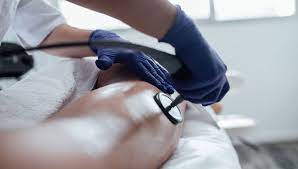
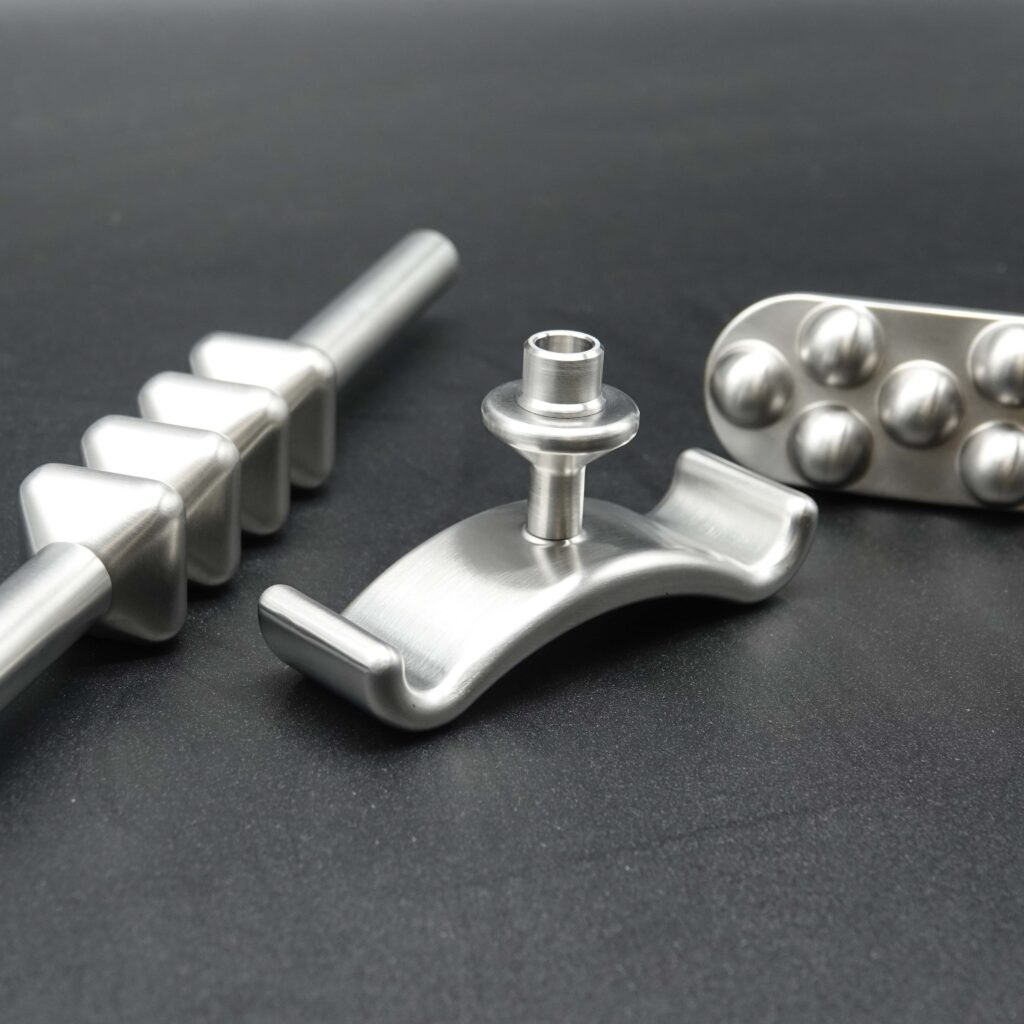
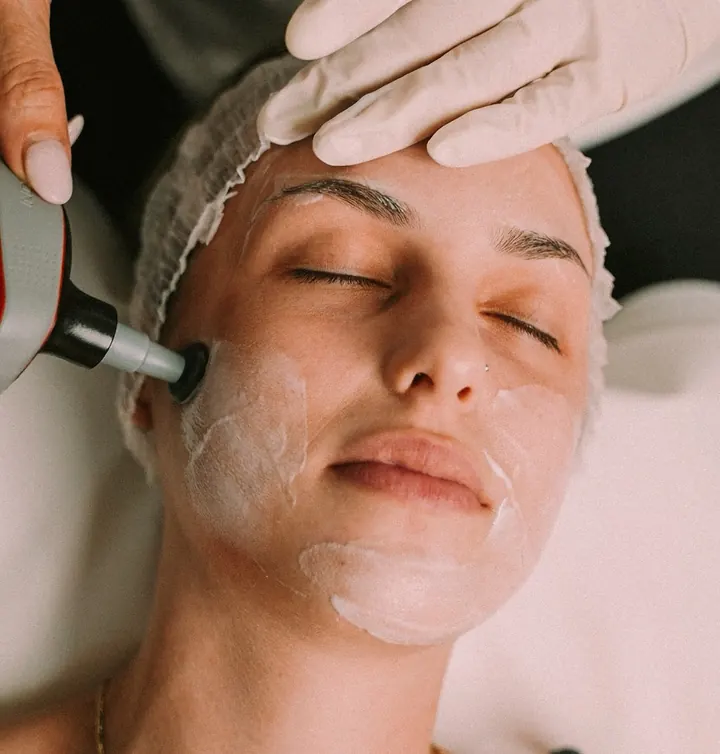
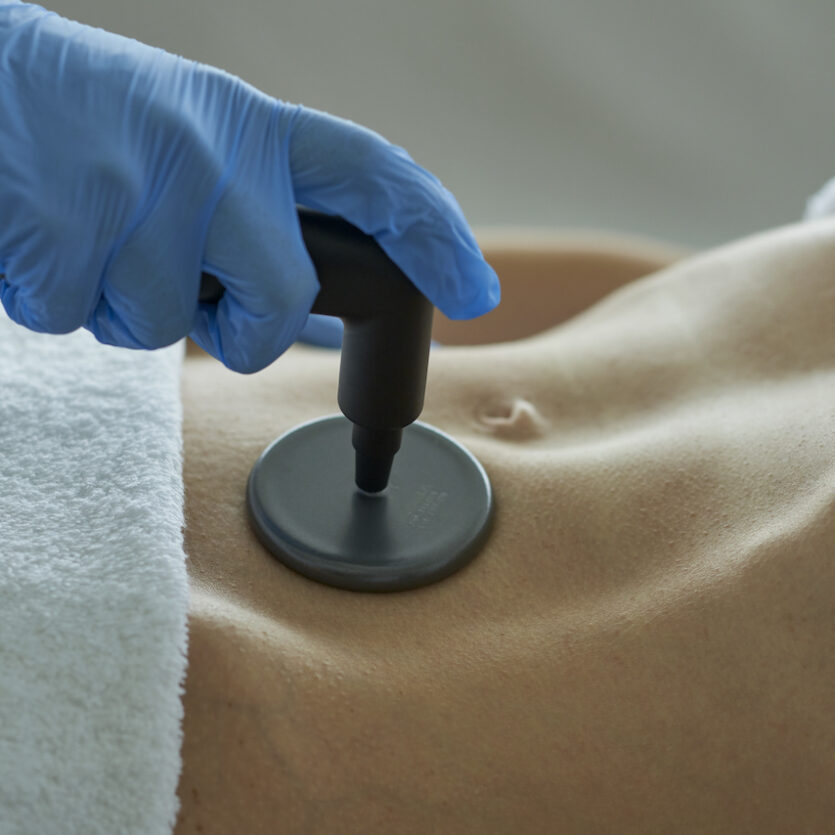
Fibroblasts, the cells that make collagen, get lazy with age. The most effective way to wake them up is controlled heat in the deeper layers of the skin. That is exactly what INDIBA radiofrequency at 448 kHz does: it warms the tissue to a temperature that triggers increased collagen production, without damaging the skin's surface.
- First effect visible straight away: existing fibres tighten
- The real result over 2 to 3 months: the skin builds new collagen
- No needles, no pain, no downtime, with a series of 6 to 10 treatments
We explain in detail how the technology works in the article What are INDIBA treatments.
The best strategy? A combination.
Zaštita od sunca da postojeći kolagen sačuvate, pametna njega da kožu podržite izvana i tretmani da proizvodnju pokrenete iznutra. Za plan prilagođen vašoj koži, rezervirajte besplatne konzultacije u Zagrebu, Splitu ili Zadru na +385 95 5476 704.