Radiofrequency comes up so often in aesthetics that it has become almost a generic term, like “laser”. But radiofrequency treatments differ a lot: in frequency, depth, comfort and results. This guide untangles the terms, without the marketing fog.
How does radiofrequency work on the skin?
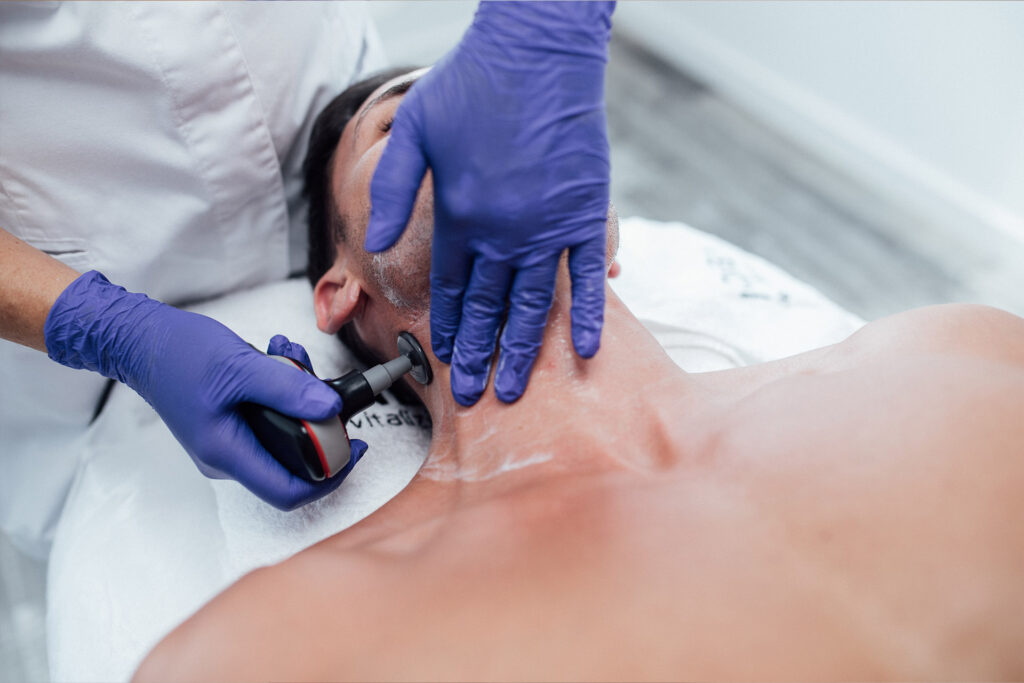
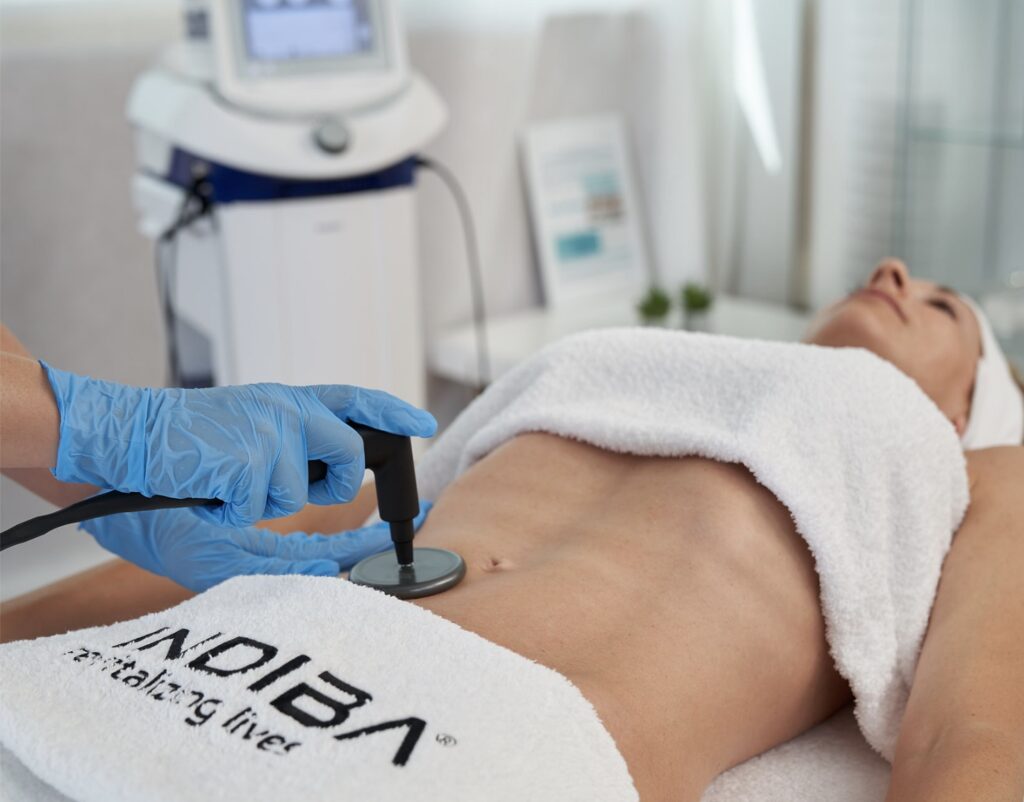
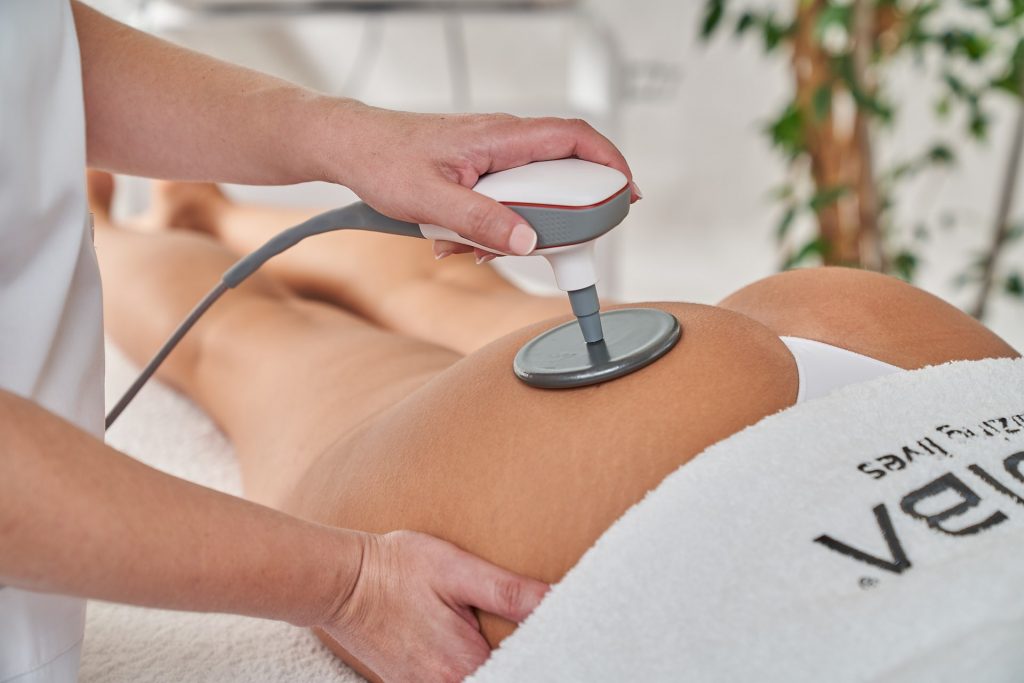
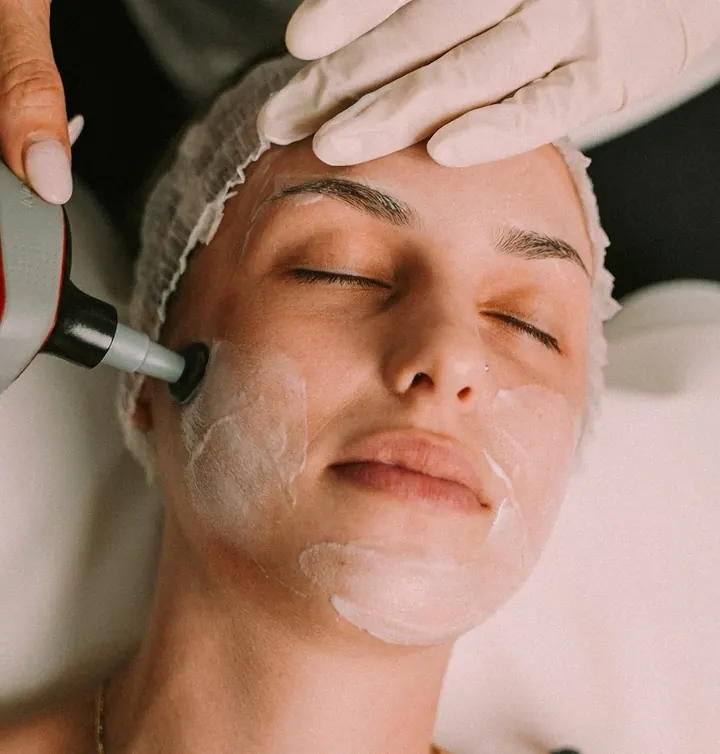
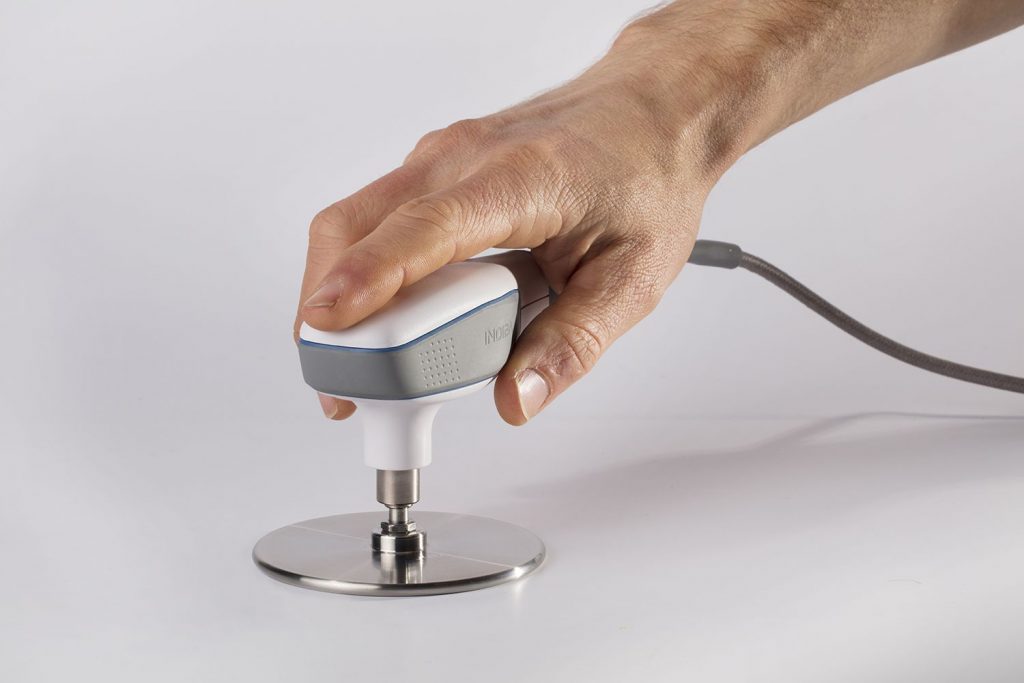
Radiofrequency devices pass a high-frequency alternating current through the tissue, creating heat in the deeper layers of the skin. That heat does two things: it immediately tightens existing collagen fibres and, more importantly, it prompts fibroblasts to make new collagen in the weeks after the treatment. The skin's surface stays untouched.
Not all radiofrequency is the same
- Frequency: INDIBA works at 448 kHz, the frequency with the most published research on its effect on cells. Many cheaper devices use other frequencies that behave differently in the tissue.
- Monopolar or bipolar: determines how deep the heat reaches
- Power and control: professional devices heat evenly and under control, home gadgets barely warm the surface
- Therapist: the same technology gives different results in different hands
What can radiofrequency treat?
Skin tightening on the face and body, wrinkles, under-eye bags, double chin, cellulite, localised fat and tissue recovery after childbirth or injury. The list is long precisely because the mechanism is universal: better circulation and more collagen help almost every skin concern.
Radiofrequency, HIFU or laser?
Laser works on the skin's surface, HIFU targets deeper layers with single intense pulses, and radiofrequency builds the result gradually over a series of painless treatments. We compared them in detail in the article HIFU, INDIBA or ONDA.
Is radiofrequency safe?
At 448 kHz it is non-ionising radiation that does not damage DNA, and the treatment has very few contraindications compared with invasive methods. You'll find the full list of who can and can't have the treatment in the article INDIBA contraindications.
If you'd like to feel what it's like in person, the first step is a free consultation in Zagreb, Split or Zadar: +385 95 5476 704.